What Does “Full Coverage” Auto Insurance Actually Mean?
If you’ve ever said, “I just want full coverage,” you’re not alone.
It’s one of the most common phrases people use when shopping for auto insurance — and also one of the most misunderstood.
Here’s the truth, explained simply 👇
There’s No Such Thing as “Full Coverage”
Surprise! “Full coverage” isn’t an official insurance policy.
It’s just a shortcut people use to describe having more than the bare minimum.
When most drivers say “full coverage,” they usually mean a combination of coverages, not a guarantee that everything is covered.
What “Full Coverage” Usually Includes
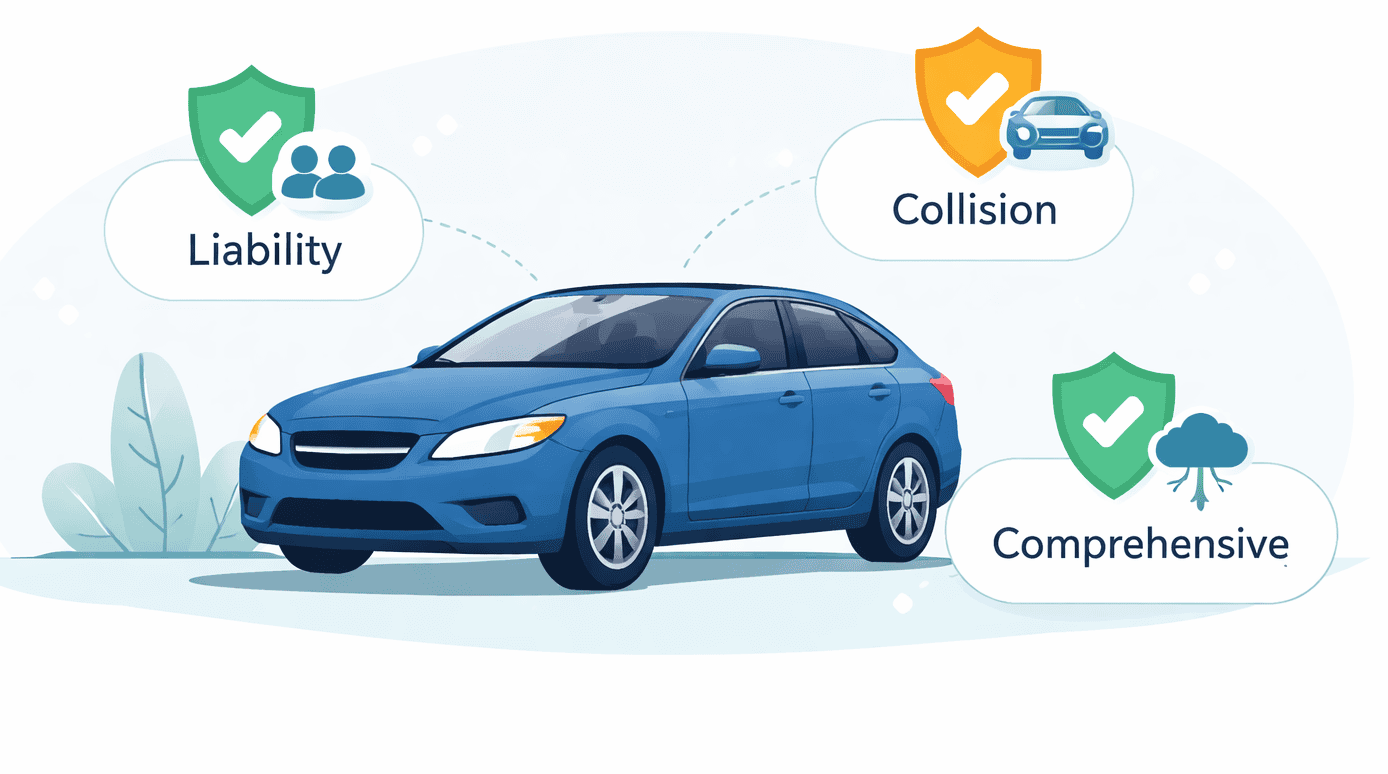
In most cases, “full coverage” means you have these three coverages:
🚗 Liability Insurance (Required by Law)
This pays for damage or injuries you cause to others.
-
Bodily injury
-
Property damage
Important: Liability does NOT pay for your own car.
💥 Collision Coverage
This helps pay to repair or replace your vehicle if you:
-
Hit another car
-
Hit an object (like a pole or guardrail)
-
Are at fault in an accident
🌧️ Comprehensive Coverage
This covers damage to your car from things other than collisions, such as:
-
Theft or vandalism
-
Fire
-
Hail or flood
-
Falling objects
-
Hitting an animal
👉 Liability + Collision + Comprehensive
That combo is what most people are referring to when they say “full coverage.”
What “Full Coverage” Does Not Automatically Include
This is where confusion — and frustration — often comes in.
Even with “full coverage,” you may not have:
-
High enough liability limits to cover all damages you cause
-
Roadside Assistance
-
Roadside assistance
-
Gap insurance
-
Uninsured or underinsured motorist coverage
-
OEM (original manufacturer) parts coverage
These are optional add-ons, not automatic.
Why Lenders Often Require “Full Coverage”
If you have a loan or lease, your lender typically requires:
-
Collision coverage
-
Comprehensive coverage
This protects the vehicle’s value (collateral) while you’re still paying for it.
The Biggest Myth About Full Coverage
“If I have full coverage, I’m covered no matter what.”
Unfortunately, that’s not true 😬
Coverage limits, deductibles, and exclusions still matter — a lot.
Two people can both say they have “full coverage” and have very different levels of protection.
A Better Question to Ask
Instead of asking, “Do I have full coverage?” try asking:
-
What are my liability limits?
-
Do I have collision and comprehensive?
-
What are my deductibles?
-
What happens if I’m hit by an uninsured driver?
-
Do I have roadside assistance and/or rental reimbursement coverage?
Those answers tell the real story.
Final Thought
“Full coverage” sounds reassuring — but understanding what’s actually on your policy is what truly protects you.
If you’re not sure what your auto insurance covers (or doesn’t), it’s worth reviewing now — before you need it.